
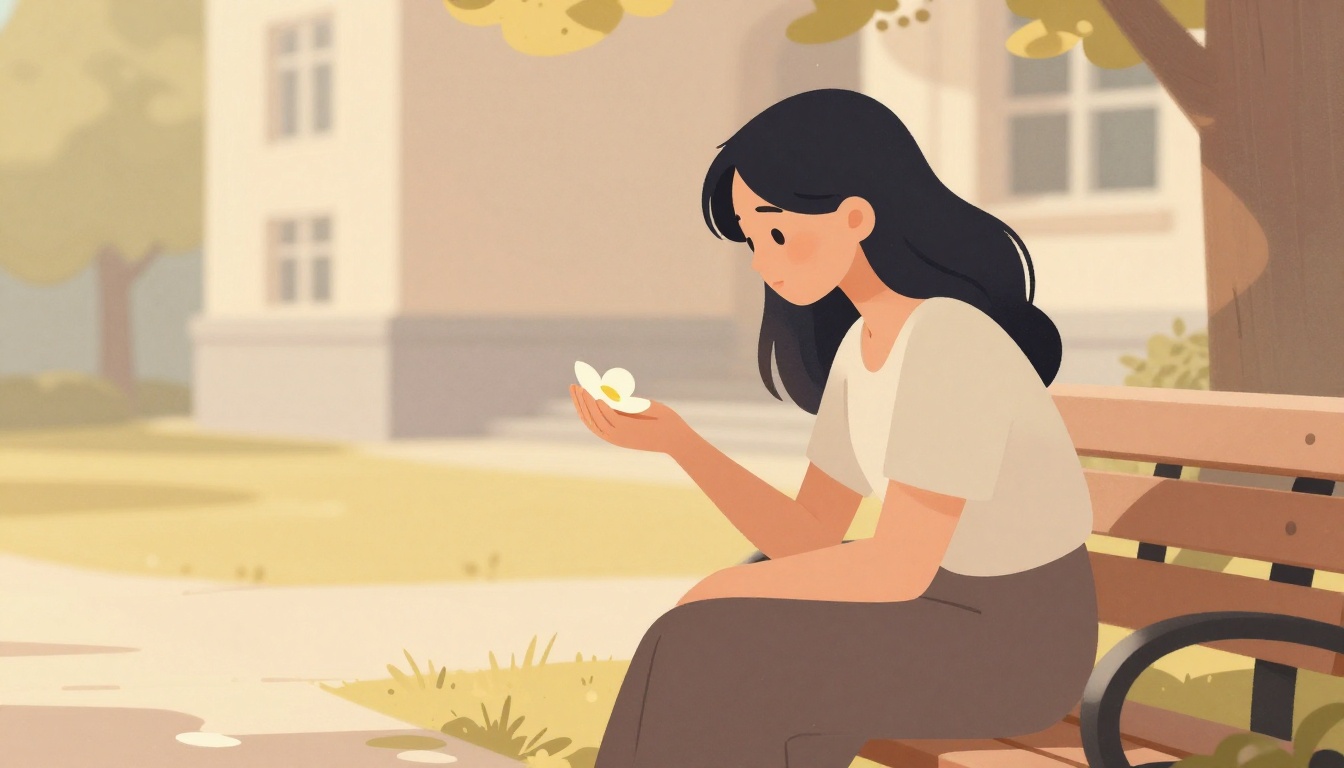
Which of the following is a recommended first step after receiving a sorority rejection?
Select one answer.
Why rejection stings and what you can do about it
Getting dropped by a sorority during recruitment week can feel like a personal failure. You've invested time, emotion, and hope into finding your community, and the rejection can trigger feelings of inadequacy or disconnection. According to therapists who specialize in this area, sorority rejection can be experienced as a form of social trauma because it taps into our deep need for belonging and identity (Laurel Therapy). The good news is that rejection is a normal part of the process, and how you respond to it can shape your entire college experience for the better.
Reframe your mindset
The first step is to separate your self-worth from the outcome. Rejection during recruitment is rarely about you as a person. Chapters have limited spots, complex algorithms, and internal dynamics that have nothing to do with your value. As career coach Emily Worden suggests, try reframing "rejected" as "overlooked" — it shifts the focus away from personal inadequacy and toward the reality that many factors are outside your control (LinkedIn).
Acknowledge your feelings
It's okay to be disappointed. Give yourself permission to feel the hurt without judgment. Psychology Today notes that coping with rejection involves grieving the loss and not assuming you caused it (Psychology Today). Journaling, talking to a trusted friend, or even having a good cry can help you process the emotion so you can move forward.
Take practical steps forward
Once you've acknowledged the pain, channel your energy into constructive actions:
- Stay gracious: Thank the chapter for their time and keep the door open for future connections. You never know when paths may cross again.
- Get involved elsewhere: Join clubs, volunteer, or explore other campus organizations. Many women who were rejected from sororities later found that the experience pushed them to discover new passions and communities they wouldn't have found otherwise (Teen Vogue).
- Reflect and learn: Ask yourself what you enjoyed about the conversations and what you might do differently next time. Every "no" is an opportunity to refine your approach.
- Lean on your support system: Talk to friends, family, or a counselor. The JED Foundation recommends keeping an open mind and staying in touch with your needs during the recruitment process (JED Foundation).
Build resilience for the long term
Rejection is inevitable in life, and learning to handle it now will serve you well beyond college. Practice self-care: take unnecessary things off your plate, do something you enjoy, and remind yourself that this moment does not define your future. Many successful, well-liked women have experienced sorority rejection and gone on to thrive.
Quiz: Test your understanding
Which of the following is a recommended first step after receiving a sorority rejection?
- A) Immediately reapply to the same chapter
- B) Acknowledge your feelings and reframe the rejection as not personal
- C) Confront the chapter members for an explanation
Correct answer: B
How the Featured Expert Can Help
If you're struggling with rejection during recruitment or want to build confidence before the process begins, personalized one-on-one coaching can make a difference. Sorority Rush Consulting for Confident Recruitment offers tailored support including resume reviews, mock interviews, and coaching to help you navigate conversations and present your best self. Their boutique approach focuses on building your self-assurance so you can approach recruitment with clarity and resilience.